
Chance, Fate, and Choice
All the Light We Cannot SeeThis flow follows the tension between curses and destiny on one hand, and chance and human choice on the other.
increasing Bearing strength in each event
 decreasing
Bearing strength in each eventdecreasingThe Question of Curses
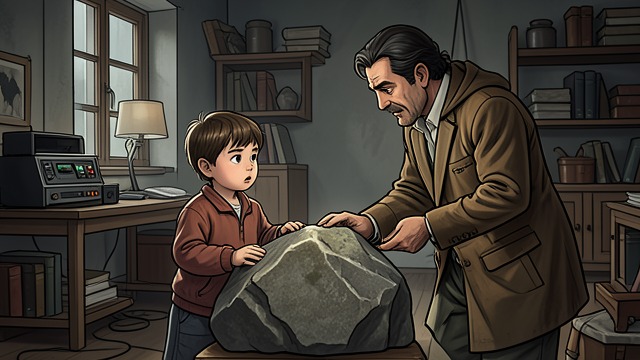
The Question of Curses
A childhood challenge
Marie-Laure asks why the legendary diamond is not thrown into the sea, challenging a story that presents greed and fear as fate.
Doubt persists
Adults answer with the stone’s enormous value and the need to believe the tale.
The exchange frames a conflict between practical freedom and inherited stories about destiny.
Daniel’s Rational Refrain
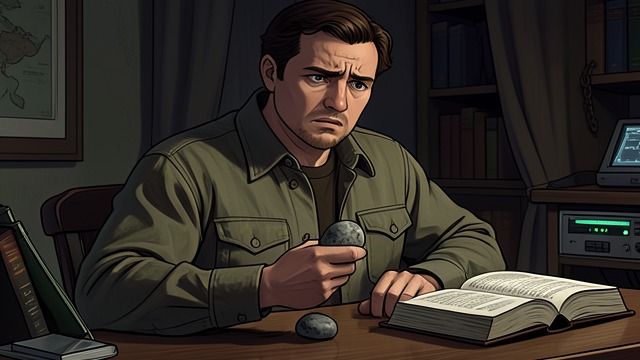
Daniel’s Rational Refrain
Chance and physics
Daniel tells himself that stones are stones and misfortune is bad luck, even while he wonders whether the jewel is real.
Anxiety persists
His reasoning cannot remove his fear for Marie-Laure or settle whether the object he carries is authentic.
The novel treats rational thought as a discipline that can guide action without abolishing uncertainty.
Predetermined Paths
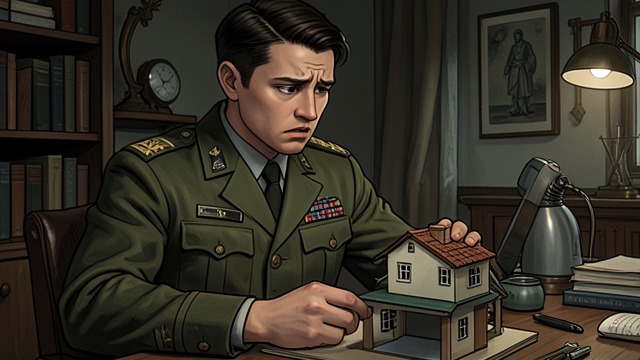
Predetermined Paths
Frederick’s warning
Frederick tells Werner that he still believes he owns his life, questioning the idea that individual choice is fully free.
Institutional pressure
Werner’s schooling, family poverty, and political system narrow his options, but they do not eliminate his responsibility.
The story holds coercion and agency together rather than accepting either as a complete explanation.
The Chosen Signal
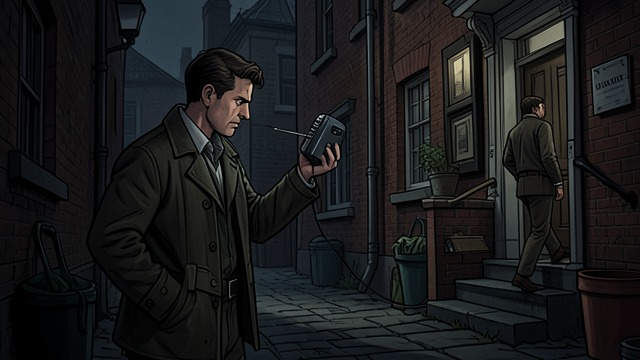
The Chosen Signal
A chance encounter
Werner hears a familiar kind of broadcast and recognizes that someone is in danger. The signal alone does not dictate what he will do.
A deliberate response
He conceals the source and goes to the house, choosing action despite years of obedience.
The moment shows how chance can create an opening, while a person remains responsible for stepping through it.
The Final Uncertainty
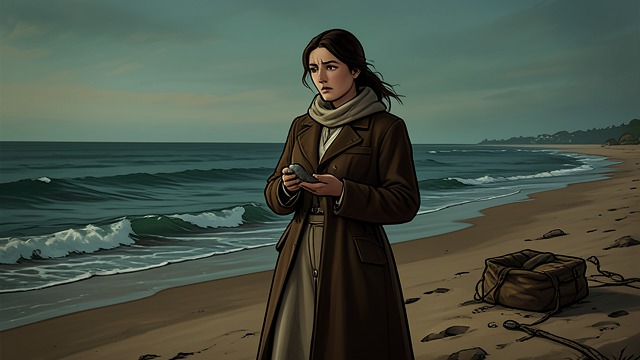
The Final Uncertainty
No proof of the curse
Marie-Laure survives, the stone returns to the sea, and the novel never establishes that the jewel caused the family’s suffering.
Choices remain visible
The characters’ acts of care and cruelty matter regardless of whether fate or chance governs the larger story.
The ending leaves the reader with uncertainty but not moral equivalence: decisions still shape other lives.
1934, during the Sea of Flames story
June 1940, while he carries the stone
1941, after Werner’s visit to Berlin
August 1944, after Werner hears Marie-Laure
2014, during Marie-Laure’s later life
